Learn Forex Trading A Comprehensive Guide for Beginners 1947590625
Learn Forex Trading: A Comprehensive Guide for Beginners
Forex trading, short for foreign exchange trading, is one of the most exciting and dynamic financial markets in the world. It offers traders the unique opportunity to profit by exchanging currencies from around the globe. Whether you are a complete novice or someone with a bit of experience, learning the ropes of forex trading will significantly enhance your chances of success. This article aims to provide a comprehensive overview of forex trading, starting with the basics and moving towards more advanced concepts. For those looking for a reliable trading platform, consider learn forex trading Trading Broker ZA.
What is Forex Trading?
Forex trading involves buying one currency while simultaneously selling another. The forex market is decentralized, meaning that it does not have a physical location. Instead, it operates around the clock, five days a week, through a global network of banks, financial institutions, and individual traders. The primary goal of forex trading is to speculate on the fluctuations in currency exchange rates.
Basics of Currency Pairs
In forex trading, currencies are always traded in pairs. A currency pair consists of a base currency and a quote currency. For example, in the pair EUR/USD, the euro (EUR) is the base currency, and the US dollar (USD) is the quote currency. If you believe that the euro will strengthen against the dollar, you would buy the EUR/USD pair. Conversely, if you believe the euro will weaken, you would sell the pair.
Understanding Pips and Lots
Pips and lots are essential concepts in forex trading. A pip (percentage in point) is the smallest price movement in the forex market. Most currency pairs are quoted to four decimal places, meaning that a movement of 0.0001 in a pair represents one pip. Lots refer to the size of your trade. There are standard lots (100,000 units), mini lots (10,000 units), and micro lots (1,000 units).
Importance of Leverage
Leverage allows traders to control a larger position with a smaller amount of capital. For instance, with a leverage of 100:1, you can control a position worth $100,000 with just $1,000. While leverage can amplify profits, it also increases the potential for losses. It is crucial to use leverage wisely and understand the risks involved.
Choosing a Forex Broker
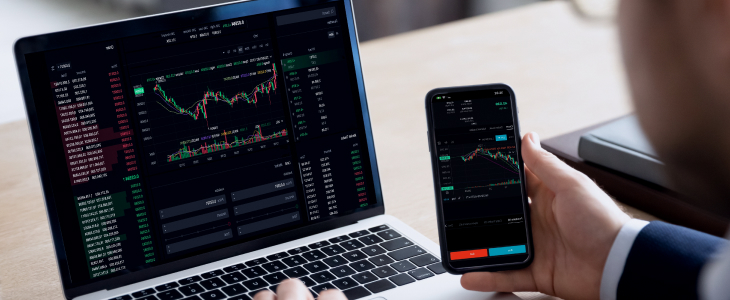
Choosing the right forex broker is a critical step in your trading journey. A reputable broker should offer competitive spreads, reliable trading platforms, and excellent customer support. Additionally, ensure that the broker is regulated by a recognized financial authority, which provides a layer of protection for your funds. Always read reviews and conduct thorough research before selecting a broker.
Technical Analysis vs. Fundamental Analysis
Forex traders generally rely on two main methods of analysis: technical analysis and fundamental analysis. Technical analysis involves studying price charts and patterns to predict future price movements based on historical data. Traders use various indicators and tools, such as moving averages and Fibonacci retracements, to make trading decisions.
On the other hand, fundamental analysis focuses on economic events and news that can impact currency values. Factors like interest rates, employment data, and geopolitical events play a significant role in shaping the forex market. A good trader often combines both methods to make informed decisions.
Developing a Trading Strategy
Successful trading is not just about buying and selling currencies; it requires a well-defined trading strategy. A trading strategy outlines your trading goals, risk management techniques, and the criteria for entering and exiting trades. Some popular trading strategies include day trading, swing trading, and scalping. Each of these strategies has its unique characteristics and is suitable for different types of traders.
Risk Management in Forex Trading
Risk management is a crucial aspect of forex trading. It is essential to determine how much of your capital you are willing to risk on each trade. A common rule is to risk no more than 1-2% of your trading capital on any single trade. You should also use stop-loss orders to minimize potential losses. A good risk management strategy helps to protect your trading capital and prolong your trading career.
The Psychology of Trading
The psychological aspect of trading often goes unnoticed, yet it plays a significant role in a trader’s success. Emotions such as fear and greed can cloud judgment and lead to poor decision-making. It is essential to maintain discipline and stick to your trading plan. Developing a patient mindset and accepting losses as part of the trading journey are crucial for long-term success.
Continuous Learning and Adaptation
The forex market is constantly evolving, influenced by economic events, news, and market sentiment. Therefore, continuous learning is vital. Stay updated with the latest news, market trends, and trading strategies. Consider joining forex trading communities or forums where you can interact with other traders and share experiences. Additionally, many brokers offer demo accounts, allowing you to practice trading without risking real money.
Conclusion
Learning forex trading can seem daunting at first, but with dedication and practice, you can become successful in the forex market. Start with the basics, develop a solid trading plan, and always prioritize risk management. Remember that trading is a journey, and continuous learning and adaptation are essential for long-term success. With the right mindset and tools, you can navigate the complexities of forex trading and achieve your financial goals.
Happy Trading!