What Financial Statement Lists Retained Earnings?

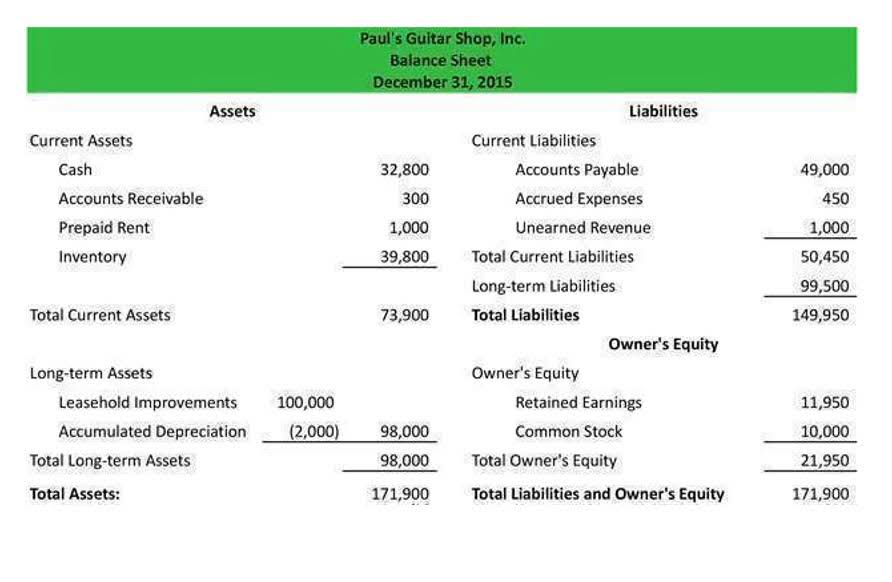
Similarly, it denotes the shareholders’ rights to a company’s assets after liquidation. Since retained earnings meet this definition, they classify as equity on the balance sheet. At the end of that period, the net income (or net loss) at that point is transferred from the Profit and Loss Account to the retained earnings account.
Additional Paid-In Capital
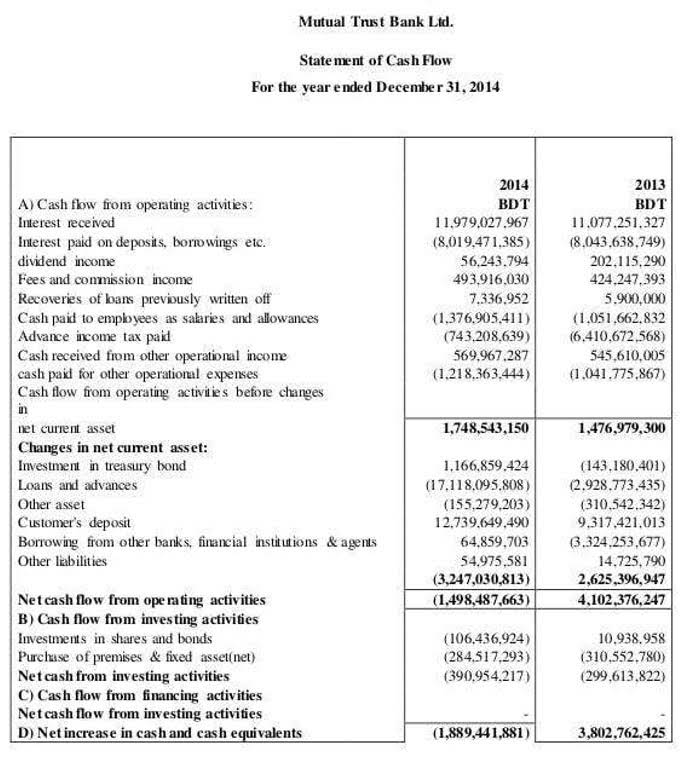
That is, it’s money that’s retained or is retained earnings a liability or equity kept in the company’s accounts. The rest of the formula for retained earnings stays similar in this version. Companies can further expand these formulas by separating cash and stock dividends. Shareholder’s equity section includes common stock, additional paid-in capital, and retained earnings.
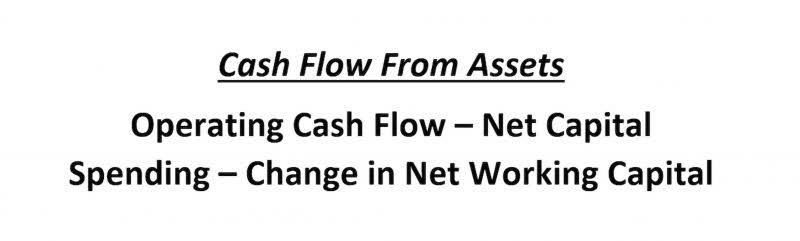
Are Retained Earnings Listed on the Income Statement?
Any profits not distributed at the end of a fiscal year are considered retained earnings. The correction of errors in financial statements is a complicated situation. Both shareholders and investors tend to view these with deep suspicion. Many believe corporations are attempting to smooth earnings, hide possible problems, or cover up mistakes. The Journal of Accountancy, a periodical published by the AICPA, offers guidance in how to manage this process.
What Does It Mean for a Company to Have High Retained Earnings?
- Retained earnings are a company’s accumulated profits since its inception.
- Retained earnings is the primary component of a company’s earned capital.
- The increase in expenses in the amount of $1,000 combined with the $300 decrease in income tax expense results in a net $700 decrease in net income for the prior period.
- Retained earnings (RE) in QBO does not have a ledger like the other accounts.
- High-debt companies may retain more earnings to reduce debt and improve financial health.
- Businesses that generate retained earnings over time are more valuable and have greater financial flexibility.
- The $700 prior period correction is reported as an adjustment to beginning retained earnings, net of income taxes, as shown in Figure 14.14.
The retention ratio helps investors determine how much money a company is keeping to reinvest in the company’s operation. If a company pays all of its retained earnings https://www.facebook.com/BooksTimeInc/ out as dividends or does not reinvest back into the business, earnings growth might suffer. Also, a company that is not using its retained earnings effectively is more likely to take on additional debt or issue new equity shares to finance growth.
Why Aren’t Retained Earnings an Asset?
- Your retained earnings account on January 1, 2020 will read $0, because you have no earnings to retain.
- Due to the nature of double-entry accrual accounting, retained earnings do not represent surplus cash available to a company.
- The specific use of retained earnings depends on the company’s financial goals.
- However, U.S. GAAP is not the only full accrual method available to non-public corporations.
- Both U.S. GAAP and IFRS require the reporting of the various owners’ accounts.
- Most corporations in the U.S. are not publicly traded, so do these corporations use U.S.
To calculate owner’s equity, subtract the company’s liabilities from its assets. This gives you the total value of the company that is shared by all owners. Owner’s equity and retained earnings are largely synonymous in many circumstances, but there are key differences in exactly how they’re calculated.

For the past 52 years, Harold Averkamp (CPA, MBA) hasworked as an accounting supervisor, manager, consultant, university instructor, and innovator in teaching accounting online. For the past 52 years, Harold Averkamp (CPA, MBA) has worked as an accounting supervisor, manager, consultant, https://www.bookstime.com/ university instructor, and innovator in teaching accounting online. Our writing and editorial staff are a team of experts holding advanced financial designations and have written for most major financial media publications. Our work has been directly cited by organizations including Entrepreneur, Business Insider, Investopedia, Forbes, CNBC, and many others. This action merely results in disclosing that a portion of the stockholders’ claims will temporarily not be satisfied by a dividend.